
 English
If I were new to running, this is exactly the kind of experience I would hope for. Runkeeper makes running feel attainable, no matter what progress looks like to you. I also liked that you can tell the app what kind of running shoes you wear, and it’ll tell you how many miles you’ll get out of them before needing to replace them. If an app offers you a free trial, take advantage of it and cancel the subscription before the trial period ends. A deal will come, often during the “Are you sure you want to cancel?” phase, when a company is trying to keep you as a customer. The above training logs have specific fields for noting things like what you wore in different weather conditions and prerun snacks that digested well (or those that didn’t).
If you’re following the popular StrongLifts 5×5 strength program, this dedicated tracker app optimizes your experience with automated progression and simplicity. FitNotes, Setgraph, Strong, and Nike Training Club all function fully offline. This matters in gyms with poor cell service or when traveling internationally. Strava and adidas Running need GPS for route tracking but can log workouts offline and upload later. This matters if you ever want to switch apps or analyze your data elsewhere. However, if you prefer privacy, these features might feel intrusive.
How can I ensure my workout data remains secure in a digital logging app?
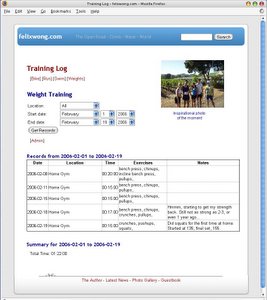
These tools make it easy to record workouts, monitor improvements, and adjust routines as needed. Whether you prefer pen and paper or digital solutions, the right choice keeps your fitness journey on track. With the right logging method, you’ll stay motivated and see results faster, turning your fitness aspirations into reality. I’ve spent the last two months testing twelve different workout tracker apps. I’ve logged hundreds of sets, tried every feature, and pushed each app to its limits. From beginner-friendly features to advanced analytics, our list has something for everyone.
The app allows customization, enabling users to design workout plans targeting specific muscle groups. Gymaholic brings a polished iOS experience with detailed workout analytics and progress tracking. The app includes a comprehensive exercise library with 3D muscle maps showing which muscles each movement targets. Premium features ($9.99/month or $59.99/year) include AI-powered workout recommendations and advanced statistics.
Strong – Best Overall for Weightlifters
I’ve tried most of the other training log apps on the App Store and this is the best for me. Once you have a few months of workouts in the app you can look at all kinds of data on your own training and make decisions on future programming. A workout tracker that is easy to use, but gives you detailed stats under the hood.
How to set up your workout log
- Let’s cut through the marketing fluff and look at what these apps actually deliver when you’re standing in front of a squat rack.
- If you want a little more from FitOn, such as personalized meal plans and the ability to connect to Fitbit or Garmin devices, you can pay for a Pro account.
- This creates a unified health dashboard without manual data entry.
- Better apps show trends over months, calculate volume progression, and highlight personal records automatically.
- In general, most people can benefit from lifting weights 2-3 times per week, with at least one day of rest in between sessions.
- The onboarding experience for this fitness tracker is really slick.
If you’re exploring wellness beyond the gym, consider top wellness retreats abroad for a holistic reset or promoting family wellness for shared fitness goals. Most apps show your previous performance, but you decide how to progress. Setgraph and Strong make this easy by displaying your last session’s numbers and highlighting PRs.
Additional Services
Strong, Hevy, Gymaholic, and Setgraph all sync workout data to Apple Health, where it combines with data from your Apple Watch, sleep tracking, and nutrition apps. This creates a comprehensive health picture without manual data entry. JEFIT’s library of 1,400+ exercises with animations sets the standard here. Each movement includes step-by-step instructions, muscle group targeting, and equipment requirements. The animations show proper form from multiple angles, though they’re not as detailed as dedicated form tutorial videos. You can filter exercises by muscle group, equipment type, or movement pattern to find exactly what you need.
Track your training, create or follow training programs, and reach your fitness goals. Using a training journal or app to log workouts is a smart way to stay organized and motivated. These tools help you track progress, plan future workouts, and stay focused on your fitness goals. Whether you prefer writing in a physical journal or typing into a digital app, both options offer unique advantages.
Of course, a monthly date planner, marble composition book, or spiral-bound journal will do the job just as well if you want something simpler. You can even find ones that are rip-resistant and weatherproof. Fitbod handles both strength and cardio, but the cardio tracking is basic compared to dedicated running apps. It works if you do occasional cardio as conditioning rather than serious running training. Integration prevents data silos and creates a complete fitness picture.
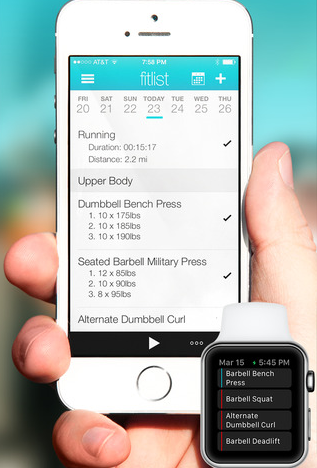
Fitbit (iOS, Android)
The app creates personalized training programs based on your goals, experience level, and available equipment. BurnFit’s intuitive interface and exercise logging capabilities make it easy to stay organized and focused on achieving results. By offering tailored strength programs, goal-setting features, and the ability to connect and share with friends, BurnFit deserves to be one of the best workout log apps. When it comes to tracking your fitness journey and maximizing your workout performance, having the right tools at your fingertips is essential. In today’s digital age, workout log apps have become indispensable companions for fitness enthusiasts. If you’re looking for the best workout log apps to help you stay organized and motivated, look no further.
Strong App: The Ultimate Gym Companion
You create routines, add exercises, and log sets with minimal taps. The plate calculator shows exactly which plates to load on the bar—a small feature that saves mental energy during heavy sets. What makes Setgraph particularly useful for strength training is its focus on progressive overload. When you open an exercise, you immediately see your previous sets.
Best Workout App for Beginners: Muscle Booster
The app includes pre-built workout routines for various goals (strength, hypertrophy, fat loss) and experience levels. You can also create custom routines and share them with the JEFIT community. The social features let you connect with other users, though you can ignore this aspect entirely if you prefer. JEFIT proves you don’t need to spend money for comprehensive workout tracking.
What features do the best weight lifting tracker apps offer?
Here, we’ve explored some of the best employee training trackers on the market. It also serves as a friendly platform where you can customize mad muscle training events and keep track of the dates, including course deadlines. With Sharepoint, anyone from training and development can manage employee training programs like a pro. From creating your courses and organizing events to gathering employee feedback, you’ll discover a range of helpful templates that can make administrative tasks a breeze. Connecteam is a software solution designed for tracking employee training, specifically catering to deskless workers.
What are the best free fitness apps for tracking workouts?
Kate Meier, NASM-CPT, USAW-L1, CF-L1, says her coach is fantastic about daily check-ins and gathering feedback. Kate also likes the fact the Future app pairs with her Apple Watch. Our tester also gave the app a 3 out of 5 for value, stating that it’s “very AI forward” and lacks the community aspect and competitive leaderboard you would find in other apps. This beginner-friendly workout app can be accommodating for a range of different skill sets and equipment setups. Plus, Muscle Booster promotes progressive overload effectively by having you master each prescribed exercise prior to moving onto more challenging movements or rep ranges.