
 English
Helpful health and wellness topics delivered straight to your inbox. Before leaping in—and locking your fridge— check with your doctor or registered dietitian, as advised before starting any diet or fast. If you’re strength-training, it’s probably harder to freeze out feasts while maintaining your athletic performance. I’m very consistent with it too, I make sure to eat enough and be less with snacks.
Choose to Stay in Touch
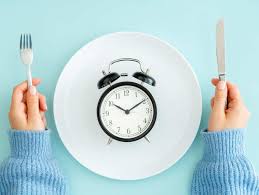
The idea is that you eat or drink fewer calories if there is less time to have them, so the eating windows allow you to consume your daily calories within a specified timeframe. It’s important to note that while intermittent fasting focuses on timing, pairing it with healthy food choices is key to achieving sustainable results. Most recently, a study published in the New England Journal of Medicine showed no significant difference in weight loss between groups fasting and those following a calorie-controlled diet. The study looked at Chinese adults following a fasting routine or just eating fewer calories — 1,200 to 1,500 a day for women, and 1,500 to 1,800 a day for men.
Subscribe to our HealthBeat Newsletter.
- Your weight is determined by many factors, and weight management can be very personal.
- Furthermore, no two people respond the same to any given diet, so there’s no guarantee that any claims about the benefits of intermittent fasting will prove true for you.
- If you’re older, losing too much weight could affect your bone health, immune system, and your energy level.
- Following time-restricted eating isn’t any more challenging than following traditional weight loss diets.
- A common schedule is to eat between noon and 8 p.m., which allows you to skip breakfast and still enjoy lunch and dinner.
- Anything that isn’t working properly gets cleaned out so that the healthy cells can do their work normally.
Your metabolic system is how your body changes the foods and beverages you consume into energy. Most of the time, your body learnmuscles.com/blog/2025/11/25/unimeal-weight-loss-app-review-12-reasons-to-trust/ gets its energy from a sugar called glucose. When you eat three meals during a day, your body maintains a steady glucose level because you’re eating and drinking frequently.
What are the intermittent fasting methods?

While intermittent fasting is getting a lot of lip-action, it’s nothing new. TV host Jimmy Kimmel credits losing 25 pounds in 2015 and keeping it off since to timed forsaking of unimeal review on learnmuscles food. A risk with fasting, according to Jessica, can be the danger of nutrient deficiency. The danger is not so severe with the 16/8 approach, but if you are fasting for two to three days at a time, the risk is concerning.
There isn’t enough research to determine which type of fasting is better than the other. According to The Washington Post and Healthline, the average weight gain during the pandemic was approximately 29 pounds per person. Following time-restricted eating isn’t any more challenging than following traditional weight loss diets. Research suggests that fasting for a 16-hour time window is the most achievable method to support weight loss. Another systematic review of 11 studies that involved people with obesity and overweight also compared intermittent fasting with calorie-restricted diets for weight loss.
Podcasts: Meaningful Medicine with Novant Health
While it may have some of the same health benefits as a diet, it’s really an eating pattern. It means you fast (don’t eat) during a certain period of time each day (usually an extended period of time). You then eat during another period of time each day (usually a smaller period of time).
things I learned from grocery shopping with a dietitian
Research also indicates that intermittent fasting reduces inflammation, which is linked to many diseases. A review of 40 studies found that intermittent fasting can help people lose weight. The review showed that the typical person who tries intermittent fasting loses about 7-11 pounds over 10 weeks. Some nutritionists say that intermittent fasting may shed pounds quickly, but it may not be a sustainable approach to weight loss over the long term for some people. Aside from losing weight, individuals can experience several health benefits by going short periods at a time without consuming food.
Conditions and Diseases
Studies show that intermittent fasting improves some key factors that increase the risk for heart disease, including artery-clogging cholesterol and triglycerides. Also, a recent study raised concerns that intermittent fasting may actually increase the risk for deadly heart attacks and strokes. Intermittent fasting regimens may also benefit health by decreasing blood pressure and insulin resistance, and in some cases, cholesterol and triglyceride levels are also lowered. Other health benefits, such as improved appetite regulation and positive changes in the gut microbiome, have also been demonstrated.
Maybe try a time-restricted eating schedule that enables you to eat before or soon after your workout. For more advice on nutrition, reach out to a registered dietitian to create a plan to help achieve your health and well-being goals. There’s no “perfect” fasting plan, and it really should be based on what works best in your life. The origins of the practice of fasting date back to ancient times where it was a common practice to fast to help heal the body. It also has roots in religion where it’s said to help deepen your connection to your faith. One example is during the holy month of Ramadan where fasting is encouraged from dawn to dusk.
Almost anyone can fast for hours overnight (dinner at 7 p.m. and breakfast at 7 a.m. the next morning, for example). A benefit here is less time eating late at night, which is typically better for our waistlines. In any of these versions, it is important to try to consume healthy, unprocessed foods, Dr. Fitch suggests. While there are no restrictions on what you can and cannot eat, keeping a healthy, balanced diet will enhance the benefits of IF. Individuals with questions about the best weight loss plan for them are encouraged to speak with their care provider and to consider working with a nutritionist to ensure long-term success. It’s important to remember that intermittent fasting only addresses when you eat, not what you eat.
Other Popular Categories
It’s not recommended for anyone who is pregnant, has diabetes or is under 18. Jessica doesn’t recommend it for anyone with a history of eating disorders, either, because fasting could serve as a trigger for a disorder. When followed under the supervision of a physician and dietitian, certain fasting regimens can offer benefits like weight loss and related improvements to cardiovascular health. No, intermittent fasting is unsafe if you’re pregnant or breastfeeding, have an eating disorder such as anorexia nervosa or bulimia, have diabetes, or are still growing. Also, if you use medication that must be taken with food, intermittent fasting is not an option.
Intermittent fasting schedules
While there are no hard-and-fast rules regarding what you can consume during your unrestricted eating periods, experts agree that maintaining a healthy, well-rounded diet produces the best results. During fasting times, limit yourself to water and zero-calorie drinks. Collaborations have interested de Jonge in the role of functional foods and nutraceutical compounds on health, determinants of weight gain, and the development of metabolic syndrome in children. There are different benefits for each fasting plan, and they all depend on the individual. Some individuals do well with fasting during certain times of the day, and others find fasting every other day more beneficial. The diet’s success is determined by how well someone can follow the diet and continue the diet until the desired weight is reached or maintained.
Is it sustainable in the long term?
Because of our circadian rhythms, it might work better to put your eating window in the first half of the day. But due to our social rhythms, most people who follow this approach prefer to have their eating window in the second half of the day. Those with type 2 diabetes or high blood pressure should proceed with caution, as starvation can cause an imbalance in your electrolytes and blood sugar. Intermittent fasting works by shortening the window in which you consume calories. “It creates a set of barriers, and in that sense it’s simple to follow,” King says.